



Raising Global Citizens
From comforting rituals to immersive experiences, we asked four experts how to ensure the world’s most well‑travelled children stay happy, healthy and engaged on the road.
Kate Shand
ENJOY EDUCATION
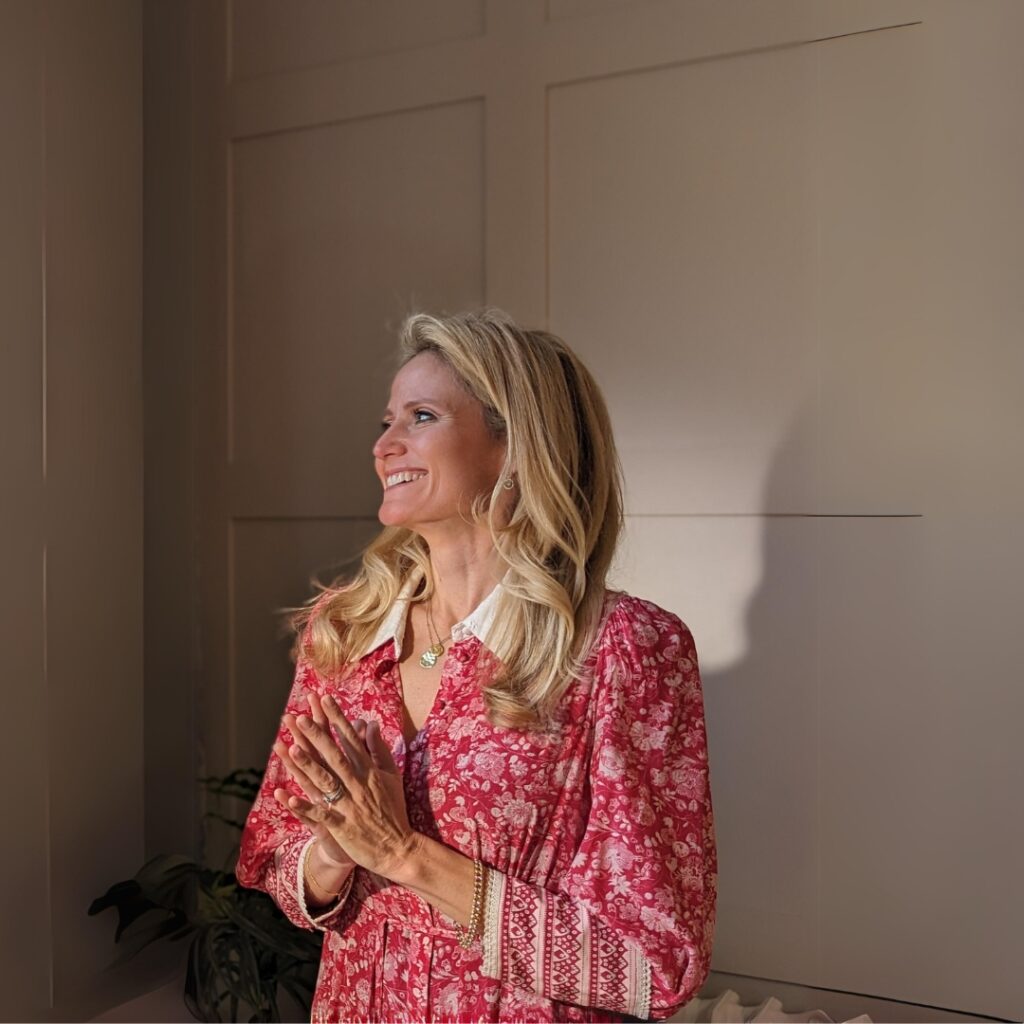
For internationally mobile families, academic continuity requires strategic thinking. Kate Shand, founder and CEO of educational consultancy Enjoy Education, works with globetrotting households to ensure that each child’s schooling remains coherent across time zones. Each engagement begins with a concise assessment, mapping current attainment against long-term objectives — whether GCSEs, A levels, the IB or a US pathway — so that every relocation supports those goals. “The world may become the classroom, but each child still needs an academic anchor,” reflects Shand. This can come in the form of tutors who work online or travel with the family, bridging curriculum gaps through carefully structured lessons and close dialogue with parents. “The goal is not to do more while travelling, it’s to do what matters consistently, so progress stays steady and pressure stays low,” Shand says, adding that the journey itself presents unique educational opportunities. Museum visits can become immersive history lessons, local architecture informs design projects, geography is experienced in real time and travel journalling supports literacy development. “When learning is rooted in the real world, children don’t just keep up academically, they grow into confident, culturally fluent young people,” she adds.

Tom Marchant
BLACK TOMATO
A pioneer of experiential travel since its founding in 2005, Black Tomato specialises in curating tailor-made journeys that foster intimate relationships with the world. “Travel, at its best, teaches children to be curious global citizens rather than tourists, which is why we look for experiences where families don’t just observe a culture, they participate in it,” says the company’s co-founder, Tom Marchant. More than 55% of the company’s bookings come from families, and the team finds that hands-on experiences rooted in place are as enriching for parents as they are engaging for children. “Whether it’s learning traditional fishing techniques with a Taiwanese family, working alongside conservationists in the Galápagos, or cooking with a nonna on Mount Etna, it’s about genuine connection,” Marchant adds. Black Tomato’s most recent collection, Tell Me A Story, transforms books into journeys. For example, the Hercules trip encourages families to learn to read ancient Greek as they complete a treasure hunt through the Acropolis. “The key is slowing down enough to let a destination reveal itself.”

Chris Demaillet
MONTCLAIR CHEF
“When a family travels between homes — from London to the South of France or New York – the kitchen becomes one of the most powerful tools for keeping children grounded and connected to the world around them,” says Chris Demaillet, founder and CEO of the elite private chef agency Montclair Chef. With a background in Michelin-calibre cuisine and a client base spanning high-profile families worldwide, Demaillet has observed a shift away from the traditional ‘children’s menu’ model. “The most thoughtful families now encourage children to eat the same well-prepared, home-cooked food as the adults,” he says. “Food is education; it helps children develop curiosity, confidence and a genuine relationship with what they eat.” To foster this connection, Montclair chefs often invite children into the kitchen, adapting age-appropriate recipes and encouraging hands-on involvement. “Something shifts when a child learns to prepare ingredients themselves,” he notes. “They become engaged and adventurous. The families who get this right aren’t simplifying the food; they’re elevating the child.” For families seeking continuity across multiple residences, eating together becomes a ritual that is as nourishing emotionally as it is nutritionally.

Elspeth Pitman
NORLAND
Drawing on more than 130 years of expertise, Norland has long understood that a happy childhood begins with emotional security, and that this is particularly pertinent when on the move. The institution’s graduates — fondly known as ‘Norland Nannies’ and recognisable by their starched uniforms — have become synonymous with discretion, rigour and an understanding of the demands of life within the world’s most prominent families. “Children thrive on predictability, so maintaining routines around naps, meals and bedtime is one of the most effective ways to create stability when travelling,” says Elspeth Pitman, Head of Graduates at Norland. “Even small consistencies help minimise the disruption that comes from moving between different environments.” For Pitman, successful family travel begins long before departure. “Preparing children gradually for travel, talking them through what will happen, and planning activities in advance all contribute to a calmer, more positive experience for the whole family,” she says. Familiar sensory anchors, whether a beloved blanket or a favourite audiobook, provide continuity across continents. Pitman adds: “Children are incredibly attuned to new spaces, sounds and smells. Creating a calming environment by offering familiar sensory ‘anchors’ helps them feel grounded even in unfamiliar surroundings.”
The Spring Issue
Next Article – Le Café by Nicolas Rouzaud
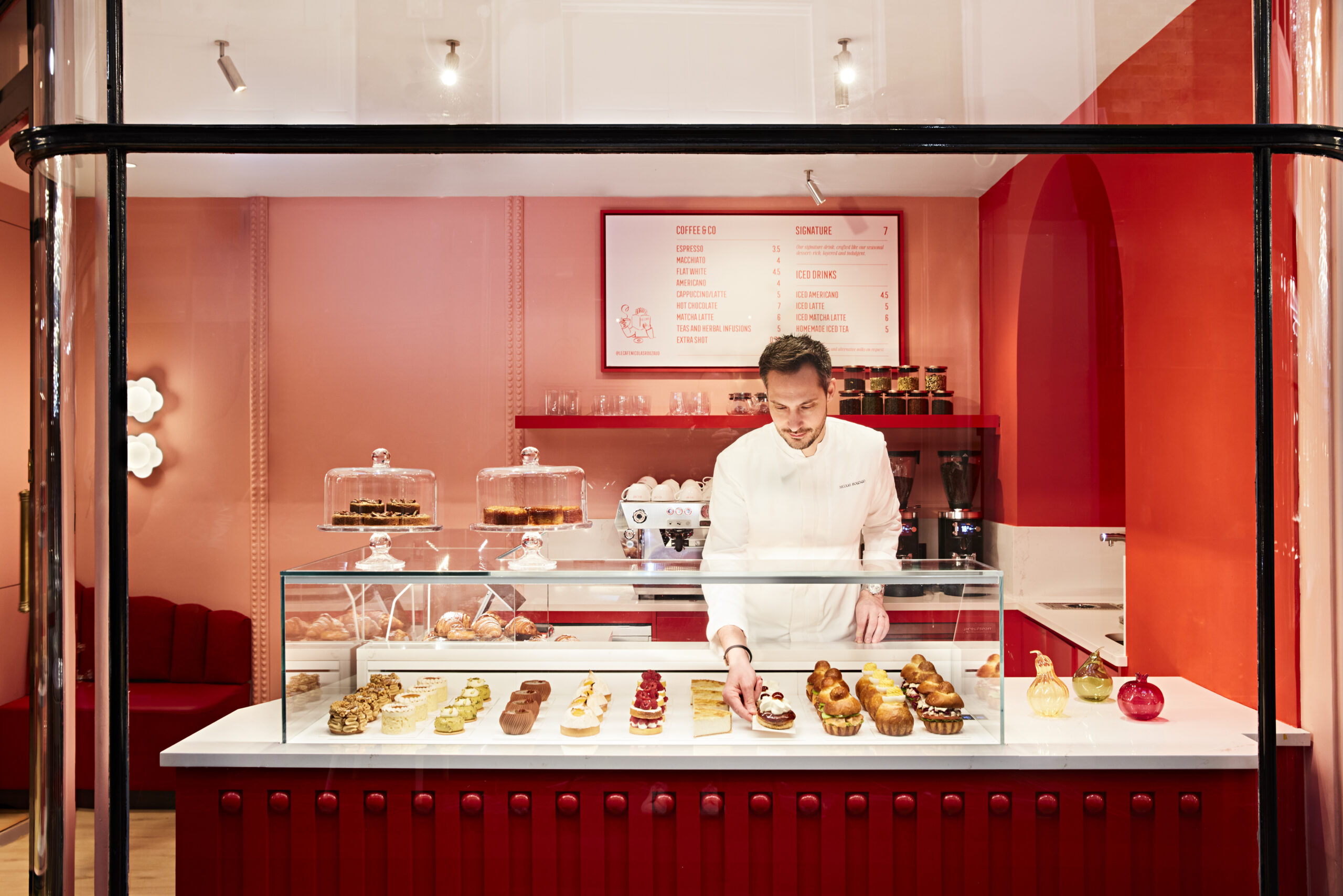
Earlier this year, Nicolas Rouzaud opened Le Café beneath the historic arches of Burlington Arcade, marking a new and more personal chapter in his London story. Known to many as the creative force behind Nicolas Rouzaud at The Connaught Pâtisserie, Rouzaud has now turned his attention to an all-day café shaped by memory, seasonality and the everyday pleasures of French life.