


The Taste of Things
HÉLÈNE DARROZE
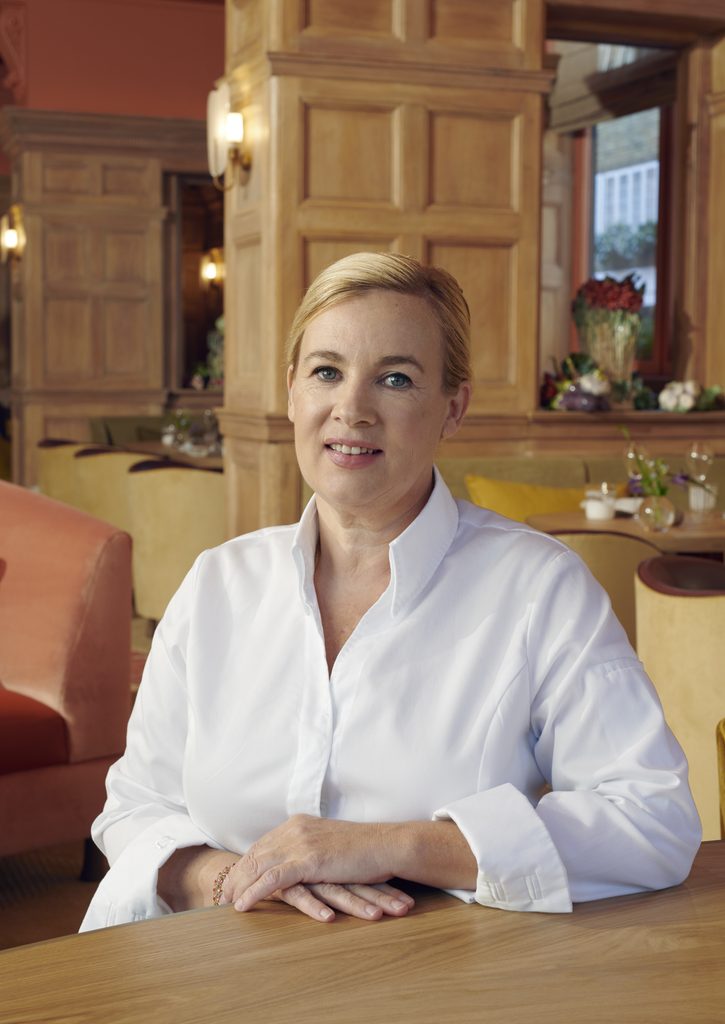
For Hélène Darroze, connoisseurship begins not with rarity or expense, but with understanding. The French chef has built her cooking around an instinct for exceptional produce, the people who grow it and the particular moment when an ingredient is at its best.
“For me, connoisseurship is first about understanding and respecting the product,” she says. “It is about having the sensitivity to recognise when something has been grown, produced or prepared with real care.”
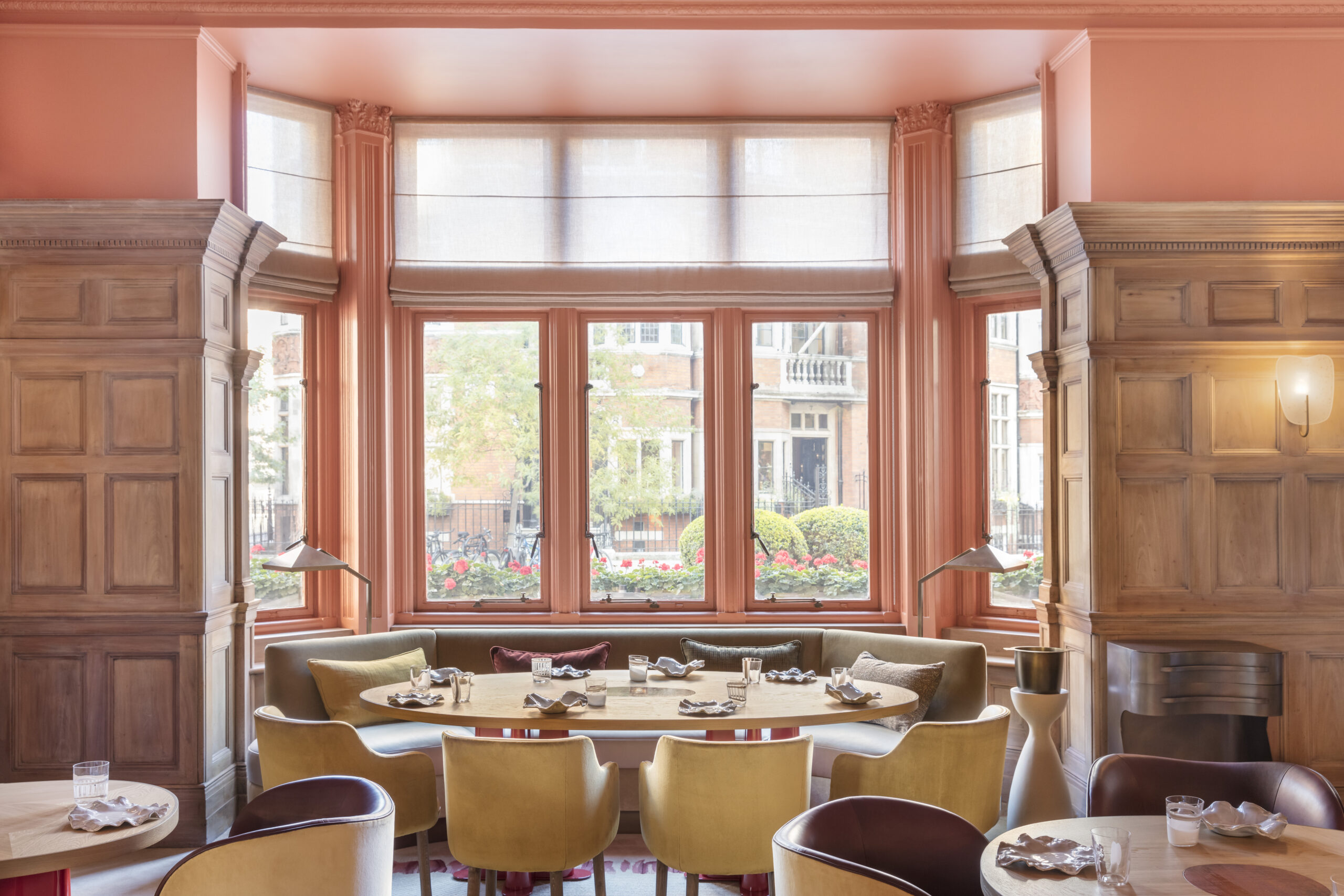
That philosophy has shaped a career spanning London, Paris and Marrakech. At Hélène Darroze at The Connaught in Mayfair, where she has cooked for many years, as at Marsan in Paris, the ingredient remains the starting point.
“For me, the ingredient must always be the star. My role as a chef is not to hide it, but to reveal its personality and make it even more expressive. A truly exceptional dish is one that gives you emotion and makes you remember the flavour afterwards. It should make you happy.”
AN EYE FOR PROVENANCE
Darroze’s relationship with her producers is central to this approach. One is Hubert Lacoste in the Gers, south-west France, whose heritage tomatoes she has used for many years. Grown sustainably and selected for their intensity, sweetness and character, they are, she says simply, “the best tomatoes ever”.
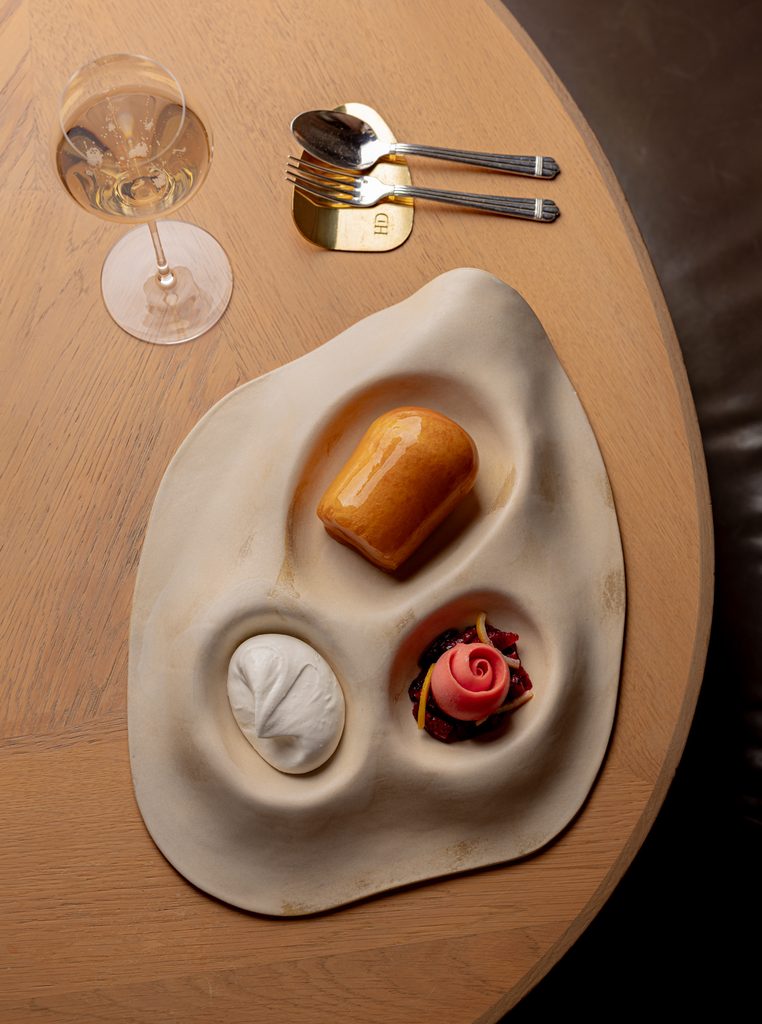
On her summer menu, the tomatoes are served with Pantelleria capers, lemon verbena and pimiento del piquillo, alongside tomato focaccia and consommé. Despite the different preparations, the intention is not to embellish the ingredient, but to bring it into sharper focus.
“When you have an exceptional ingredient, you don’t need to do too much. You need to respect it.”
Seasonality follows naturally. Autumn brings oysters, crab and figs, followed by mushrooms and root vegetables as flavours become deeper and more generous. Darroze has little interest in forcing an ingredient beyond its moment: “The menu should follow nature rather than the other way around.”
“Good cooking, like connoisseurship itself, can ultimately be an exercise in confidence and restraint”
A SENSE OF PLACE
Place matters too. Darroze does not replicate the same restaurant from one city to another. Paris draws on her family and south-western French roots; Marrakech on its spices, herbs, markets and generosity; and London on the quality of British produce and relationships she has developed with producers here.
Mayfair, meanwhile, has become an important part of her life. She describes its particular appeal as a combination of “history, elegance and international influence”, with chefs, cuisines and generations existing alongside one another. The Connaught has its own place within that world, balancing tradition with modernity.
For those hoping to develop a more discerning eye in their own kitchens, Darroze’s advice is refreshingly straightforward: “Taste, provenance and seasonality.”
Ask questions at the market. Find out where the fish was caught or who produced the meat. Wait for ingredients to come into season rather than expecting them throughout the year. Above all, resist the temptation to equate complexity with quality.
“If you have a beautiful tomato, some very good olive oil and a little salt, perhaps that is all you need.”
Good cooking, like connoisseurship itself, can ultimately be an exercise in confidence and restraint. Or, as Darroze puts it: “Sometimes it means knowing when to stop.”
The Connoisseurship Issue
Next Article – A Classical Foundation
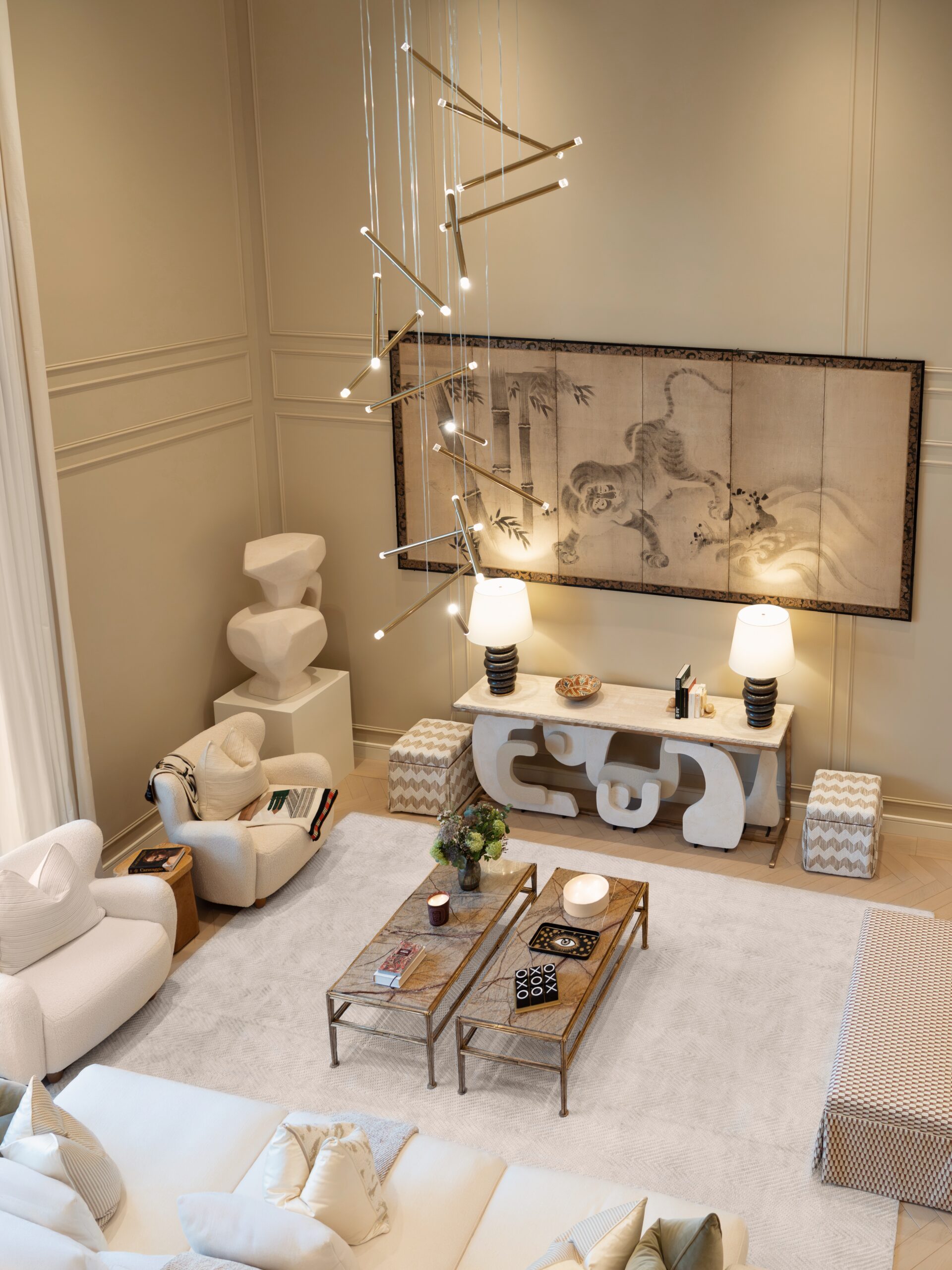
At Holland Park Gate, Florian Tomballe’s sculptures appear in very different settings. A monumental diver seems poised to plunge into the swimming pool; a vessel-like figure holds its own among the art and furniture of Residence 64; and in Residence 85, a larger-than-life figure raises a hand, part classical sculpture, part contemporary character.