


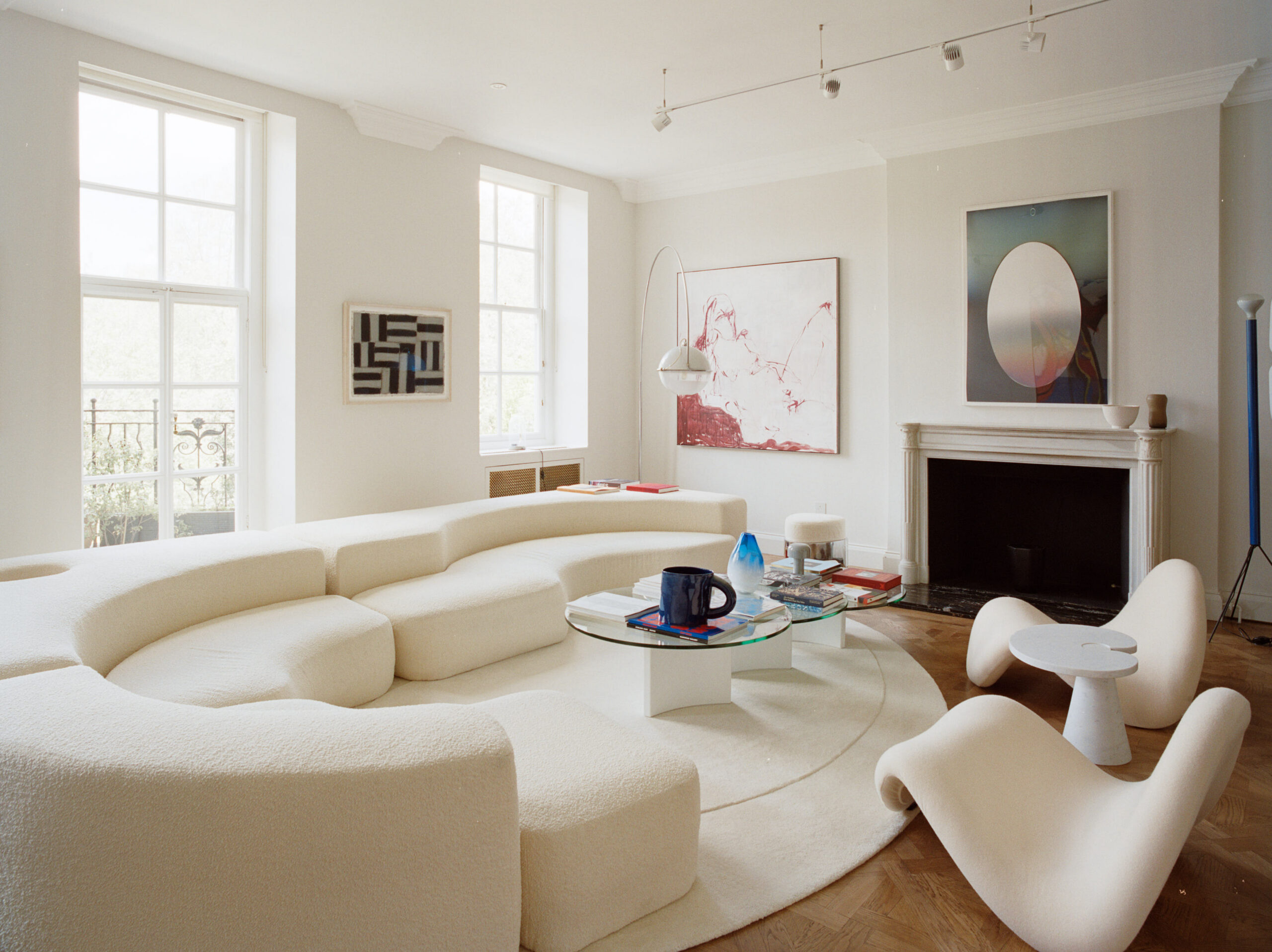
IN CONVERSATION WITH
LAWRENCE VAN HAGEN
Art advisor and curator Lawrence Van Hagen shares his perspective on building meaningful collections, developing an eye for great art and how the next generation of collectors is reshaping the cultural landscape.
As the global art landscape continues to evolve, collectors are increasingly seeking deeper connections with the works they acquire and the cultural ecosystems that surround them. Few advisors understand this dynamic better than Lawrence Van Hagen, whose work sits at the intersection of collecting, curating and cultural collaboration.
Through his advisory practice, LVH Art, Lawrence works with private and corporate collectors around the world, helping them navigate the art market while building thoughtful and enduring collections. Known for his refined eye and international perspective, he is equally engaged in the curatorial side of the art world, organising exhibitions and cultural projects across Europe, the Middle East and Asia.
Recent projects include exhibitions in Paris, Mumbai and London, spanning from historic works by Donald Judd through to presentations of emerging international artists. He has also collaborated with leading cultural institutions, including curating India’s first Pop exhibition at the Nita Mukesh Ambani Cultural Centre and advising the British Museum on its inaugural Pink Ball.
In this issue of The Lodha Times, we speak with Lawrence about what defines a meaningful art collection today, how collectors can develop their eye, and the evolving priorities shaping the next generation of global collectors.
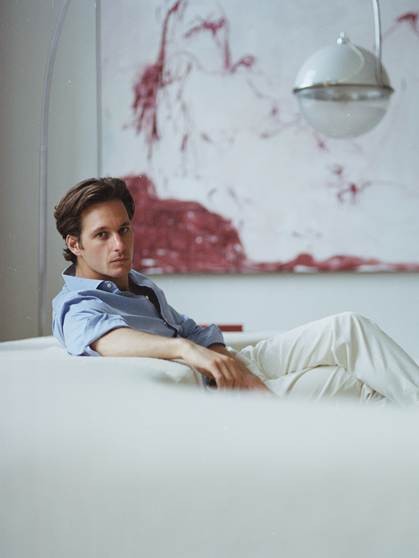
FROM YOUR PERSPECTIVE, WHAT DISTINGUISHES A TRULY COMPELLING ART COLLECTION TODAY?
A few things, for me, make a collection stand out: clarity of vision, quality and passion. First, a strong point of view is essential. The most compelling collections are guided by a coherent idea or genuine curiosity rather than simply following market trends. The works in a collection should speak to one another and reveal something about the collector’s perspective.
The quality of the work is also significant. A great collection prioritises exceptional works. This may include key works by leading figures, but also outstanding works by emerging artists whose voices will shape the future of art.
Finally, passion is the foundation. This extends beyond the artworks themselves to a commitment to being part of the cultural ecosystem and helping shape it for the better. In short, a great collection today is not merely an accumulation of valuable objects; it is a carefully shaped cultural statement that reflects knowledge, curiosity and a sustained commitment to supporting art and culture.
FOR THOSE INTERESTED IN COLLECTING ART, HOW CAN THEY BEGIN DEVELOPING THEIR OWN EYE AND UNDERSTANDING OF THE MARKET?
I would highlight two things. First, immerse yourself in the art world — visit museums, galleries and art fairs, and meet collectors, advisors and art enthusiasts. Developing your eye is essential, and that only comes through exposure.
Second, consider working with someone experienced, such as an advisor or a knowledgeable gallerist, who can offer guidance along the way. While it is important to see a great deal of art, the reality is that there is simply too much to navigate alone. The right guidance can help focus your attention on work that is truly meaningful and worth engaging with, particularly as you develop your own eye and understanding.
WHAT ARE SOME OF THE MOST COMMON MISTAKES YOU SEE COLLECTORS MAKE WHEN STARTING OUT?
The first is moving too quickly, and the second is underestimating how important relationship building is in the art world. New collectors often feel pressure to buy immediately, but building a thoughtful collection takes time.
Second, relationship-building and patience have always mattered in the art market, but they will become even more essential moving forward. Make sure to find people in the industry you connect with and can trust, as they can provide valuable insight and access to meaningful opportunities.
Overall, I would say when you start, take the time to understand an artist’s practice, provenance and the context of their work instead of chasing trends, or work with an advisor who can guide you through this process seamlessly.
MANY COLLECTORS SEE ART AS PART OF HOW THEY LIVE. HOW SHOULD COLLECTORS THINK ABOUT BUILDING A COLLECTION THAT ENRICHES THE SPACES THEY INHABIT?
I always say that great art in someone’s home sparks conversation in two ways.
First, it inspires discussion about the works themselves. Second, it shapes the atmosphere of the space. Because often, the stronger the artwork and the setting, the richer the conversations that naturally unfold. In that sense, art holds a quiet power, shaping spaces where meaningful conversations naturally arise.
It is also important to consider how works relate to one another and to the architecture of the space. A thoughtful collection creates dialogue between the artworks themselves, the environment around them and the people who experience them. When this balance is achieved, art does more than decorate a space; it enriches daily life.
HOW DO YOU SEE THE PRIORITIES OF THE NEXT GENERATION OF GLOBAL COLLECTORS EVOLVING?
The biggest shift I’m seeing is a stronger focus on authenticity and a personal connection to the work. Collectors today want to be more involved, and they’re not just buying pieces. They want to experience the world of art first-hand. There’s a growing interest in travelling to fairs, visiting studios and engaging directly with artists. Collectors are looking for deeper experiences, which is why I’ve started running regular LVH Art Trips.
For example, every year I organise a Mexico City Art Trip, where I take clients to visit artist studios, enjoy VIP museum tours and really immerse themselves in the local art ecosystem. The goal is not only to see art, but also to truly experience the culture and context that shapes it.
LOOKING AHEAD, WHAT IS NEXT FOR LVH ART, AND ARE THERE ANY PROJECTS YOU ARE PARTICULARLY EXCITED ABOUT?
We have a very exciting exhibition coming up in Venice titled Minimal Legends, opening during this year’s Venice Biennale in May. It’s a major show bringing together exceptional works by the artists who shaped the Minimal Art movement, and it will take place at the De Cotiis Foundation in Palazzo Giustinian Lolin, right on the Grand Canal. Presenting these landmark Minimalist works within the richly ornate interiors of the Palazzo will create a striking dialogue between two very different visual languages, which has never been done before.
Palazzo Giustinian Lolin is also one of the most beautiful buildings in Venice, so the setting itself will be incredibly powerful. Collaborating with Vincenzo De Cotiis, a world-leading designer, is also a real highlight. The exhibition comes at a moment when Minimal Art is experiencing a strong revival, with works by leading Minimal artists reaching new record prices at auction and major institutions around the world dedicating exhibitions to the movement. As someone who has long supported Minimal Art, as well as personally collected it, this project is particularly exciting for me.
The Spring Issue
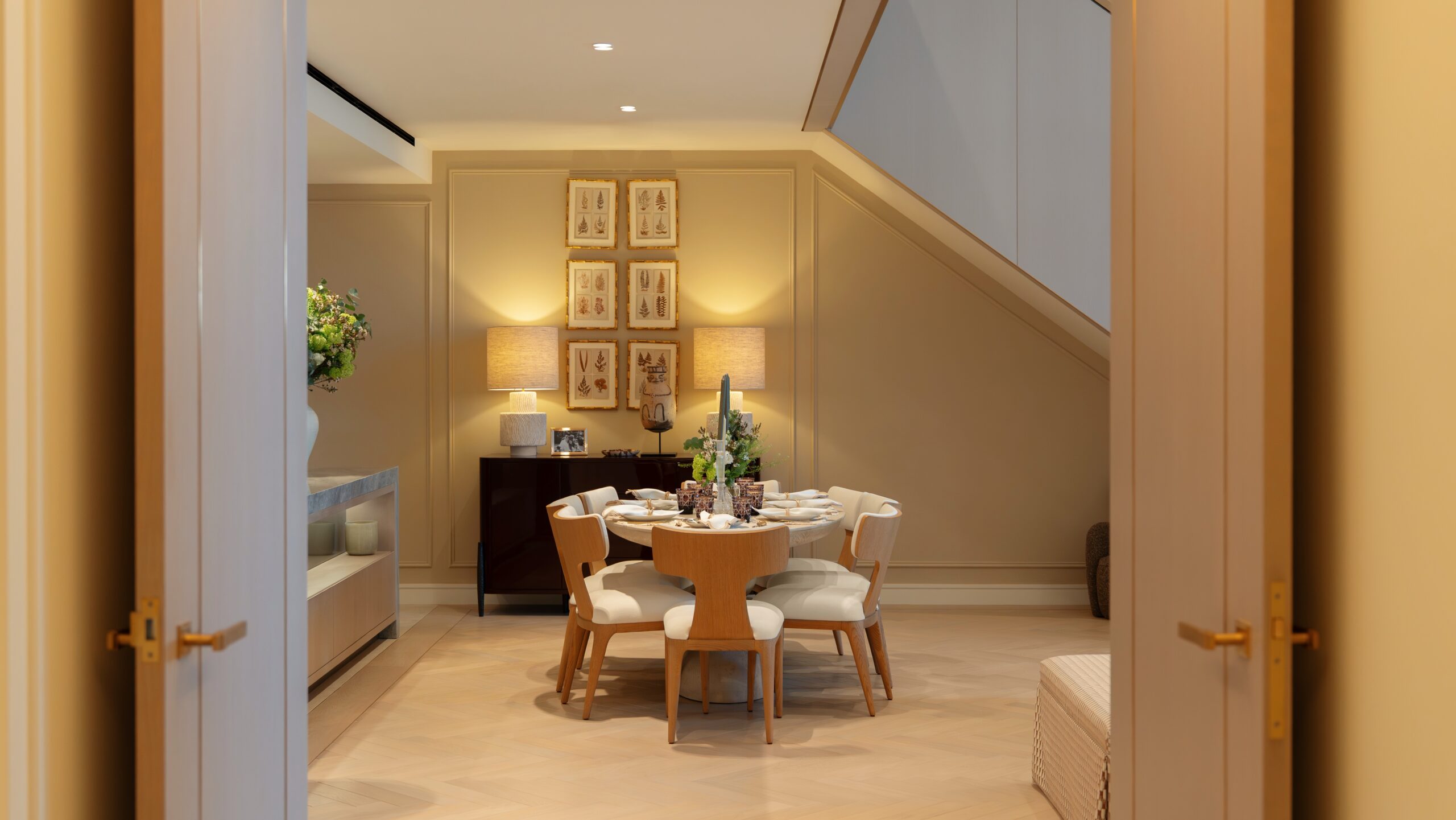
Next Article – Residence 64
Positioned within the left wing of Holland Park Gate’s Art Deco proscenium arch, Residence 64 is a three-bedroom apartment designed by Studio Lodha. Spanning 3,239 sq ft, the light-filled home balances architectural scale with thoughtful detailing, creating spaces that feel both generous and calm.